Earthquake Gas Shutoff Valves: A California Homeowner’s Guide
After a major earthquake, broken gas lines are one of the biggest fire hazards a neighborhood faces. The 1994 Northridge earthquake made that painfully clear across the San Fernando Valley. A seismic gas shutoff valve is a small device that automatically cuts gas flow to your home when it feels strong shaking — and in parts of California, it’s not optional.
Here’s what these valves do, where they’re required, and what getting one installed actually involves.
What a Seismic Shutoff Valve Does
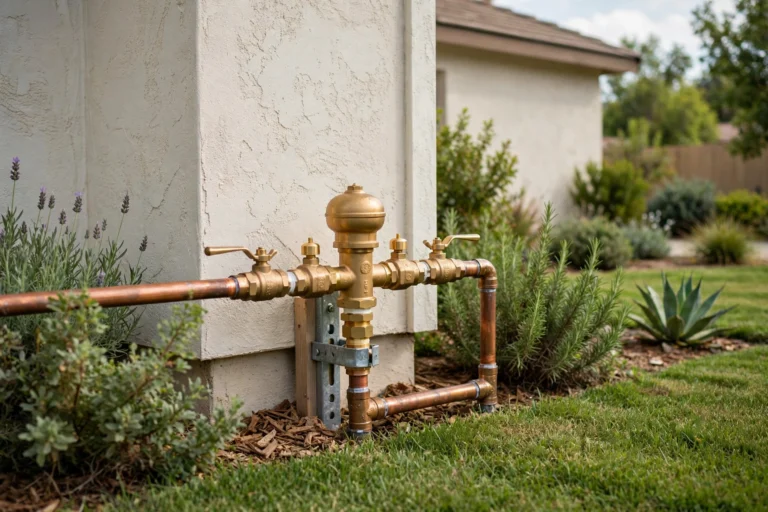
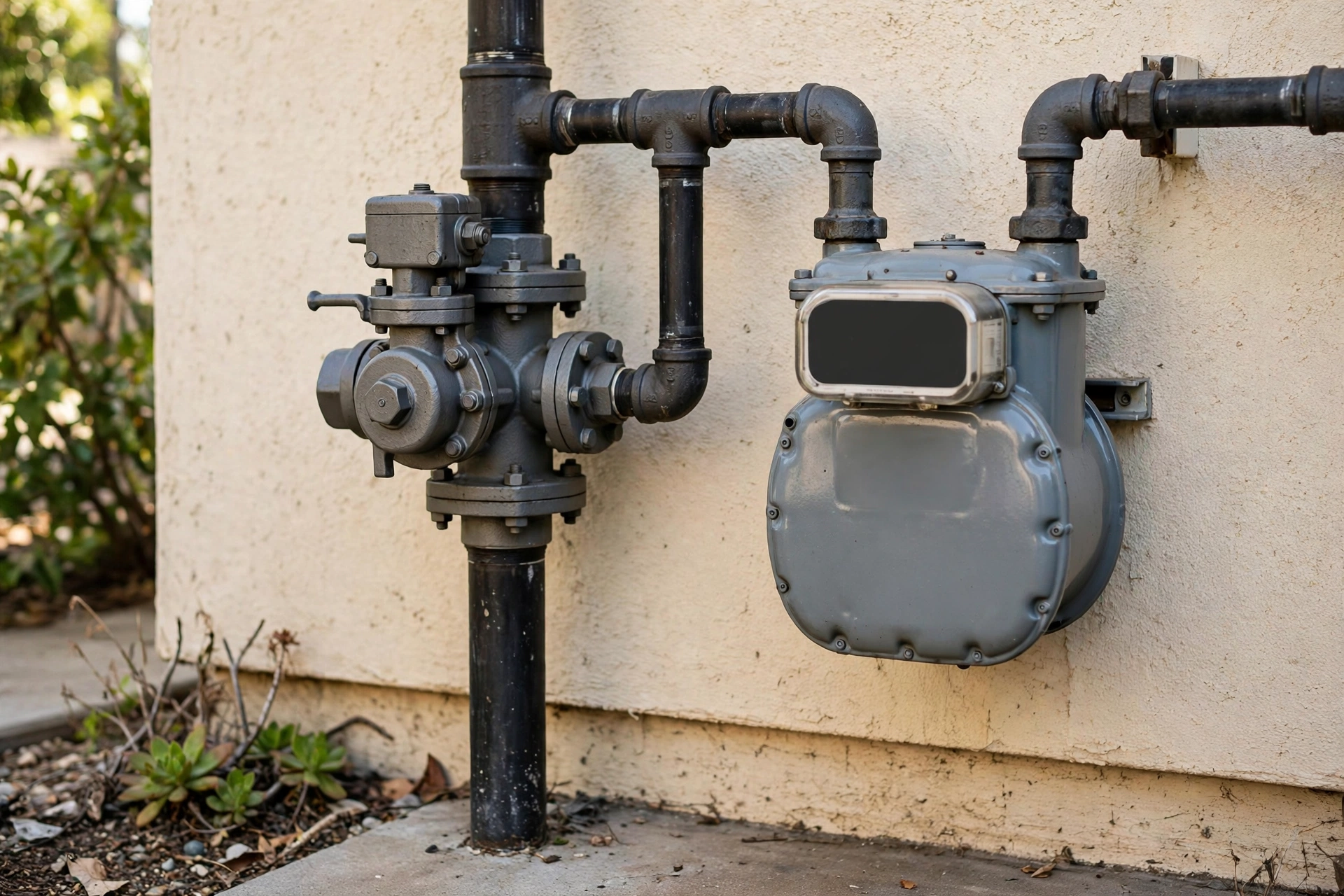
The device mounts on your gas line, usually right at the meter. Inside is a mechanism — typically a metal ball resting in a cup, or a motion-sensing trigger — calibrated to trip at a specific shaking intensity (commonly around 5.2 to 5.4 on the Richter scale, depending on the model). When shaking exceeds that threshold, the mechanism releases and a spring-loaded gate slams the gas line shut.
There are two main types. Motion-sensing valves trip based on ground acceleration and stay shut until manually reset. Excess-flow valves, which gas utilities sometimes install on their side of the meter, trip when gas flow suddenly spikes — as it would through a ruptured line. They solve different problems, and a seismic valve on your side of the meter doesn’t replace the utility’s equipment.
Where California Requires Them
There is no single statewide mandate for every home, so be skeptical of anyone who tells you otherwise. The requirements are local and situational. Several California cities require seismic shutoff valves when a property is sold or undergoes significant remodeling — Los Angeles has had such rules for certain buildings, and other jurisdictions in earthquake country have adopted similar ordinances over the years.
The practical takeaway: if you’re buying, selling, or pulling permits for a major remodel anywhere near a fault zone, check with your city building department. Your gas utility — SoCalGas, PG&E, or SDG&E — can also tell you what’s expected in your service area. Even where they’re not required, many homeowners in high-seismic areas install them voluntarily. It’s a one-time device that guards against one of the scariest post-quake scenarios.
What Installation Involves
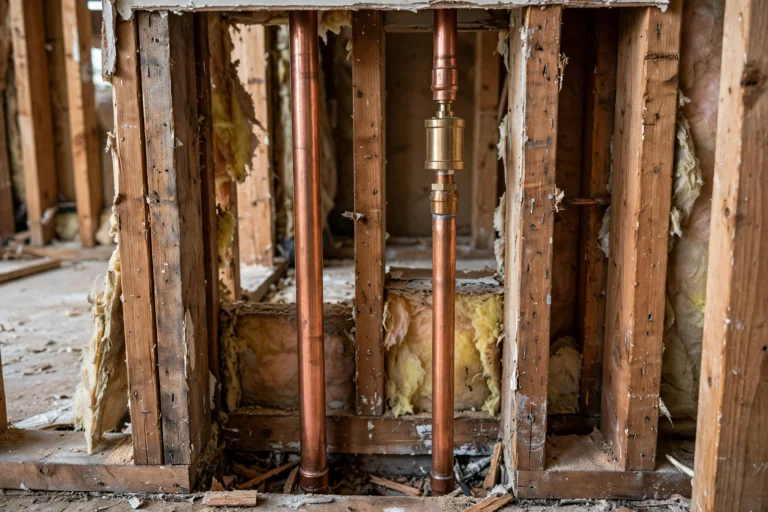
This is not a DIY project. In California, any work on gas piping must be done by a licensed contractor — gas line work done wrong can kill. A proper installation looks like this:
- A licensed plumber or gas fitter shuts off gas at the meter and verifies zero flow.
- The valve is installed on the house side of the meter, mounted rigidly (it has to feel ground motion accurately, so it can’t be dangling on a flexible connector).
- The installer pressure-tests the line, relights pilot lights, and shows you how the valve resets.
- In jurisdictions that require them, the installation may need a permit and inspection.
Most residential installations take a few hours. If your gas meter is old, corroded, or hard to access, the plumber may recommend addressing that at the same time. For anything involving your gas lines — installation, repair, or pressure testing — always use a licensed professional.
After It Trips: Resetting the Valve
Here’s the part people forget: after a seismic valve trips, your gas stays off until someone resets it manually. That’s by design — you don’t want gas flowing back into a potentially damaged line on its own. The reset procedure varies by brand but usually involves a wrench turn or lever pull, followed by relighting pilots on your water heater, furnace, and any other gas appliances.
Important: if you smell gas after an earthquake, don’t reset anything. Get out, call 911, then call your gas utility from a safe distance. Only reset the valve yourself when you’re confident there’s no leak and no damage to the line. When in doubt, have a professional inspect first — post-quake emergency service exists for exactly this situation.
When to Call a Plumber
Call a licensed plumber or gas fitter if you’re considering a seismic valve, if your existing valve is more than 20 years old (early models had reliability issues worth revisiting), or if a valve has tripped and you want the line inspected before resetting. Any smell of gas, hissing near the meter, or dead vegetation in a line above a buried gas pipe warrants an immediate call — don’t wait.
Earthquake Gas Shutoff Valve FAQs
Are seismic gas shutoff valves required throughout California?
No. Requirements are set by individual cities and apply in specific situations — commonly at the time of sale or during major remodels. Check with your local building department rather than assuming.
Will the valve trip during a small earthquake?
It shouldn’t. Quality valves are calibrated to trip at strong shaking levels (around magnitude 5.2+), not every minor tremor. Cheap or poorly installed units are more prone to nuisance trips, which is another reason to buy a certified valve and have it installed properly.
How long do these valves last?
The mechanical units typically last decades with no maintenance, though manufacturers recommend periodic visual inspection. If yours was installed in the 1990s, it’s worth having a pro look at it — valve designs and certifications have improved since then.
Can I install one myself?
No. California requires gas piping work to be performed by licensed professionals, and most jurisdictions require a permit and inspection. The liability and safety stakes are too high for DIY.